How Many Hours Should Homeschool Take? (Why 2 Hours a Day Is Enough)
One of the biggest questions I see from parents who are starting homeschooling is this:
“How many hours a day should homeschool take?”
And I get why it feels confusing. We’ve all been conditioned to believe that learning has to look like an 8-hour school day to “count.”
But the more I’ve homeschooled—and as a former teacher—the more I’ve realized something important:
Homeschool doesn’t need to take all day to be effective.
Why we think homeschool should look like a full school day
Most parents don’t actually want 6–8 hour homeschool days.
They just want to make sure they’re not “missing something.”
Because we were raised in a system where:
more hours = more learning
more worksheets = more progress
longer days = better education
So naturally, when we bring learning home, we try to recreate that structure.
But the truth is, that model wasn’t designed around how children actually learn best—it was designed around managing large groups of students.
The truth: 2 hours of focused learning is often enough
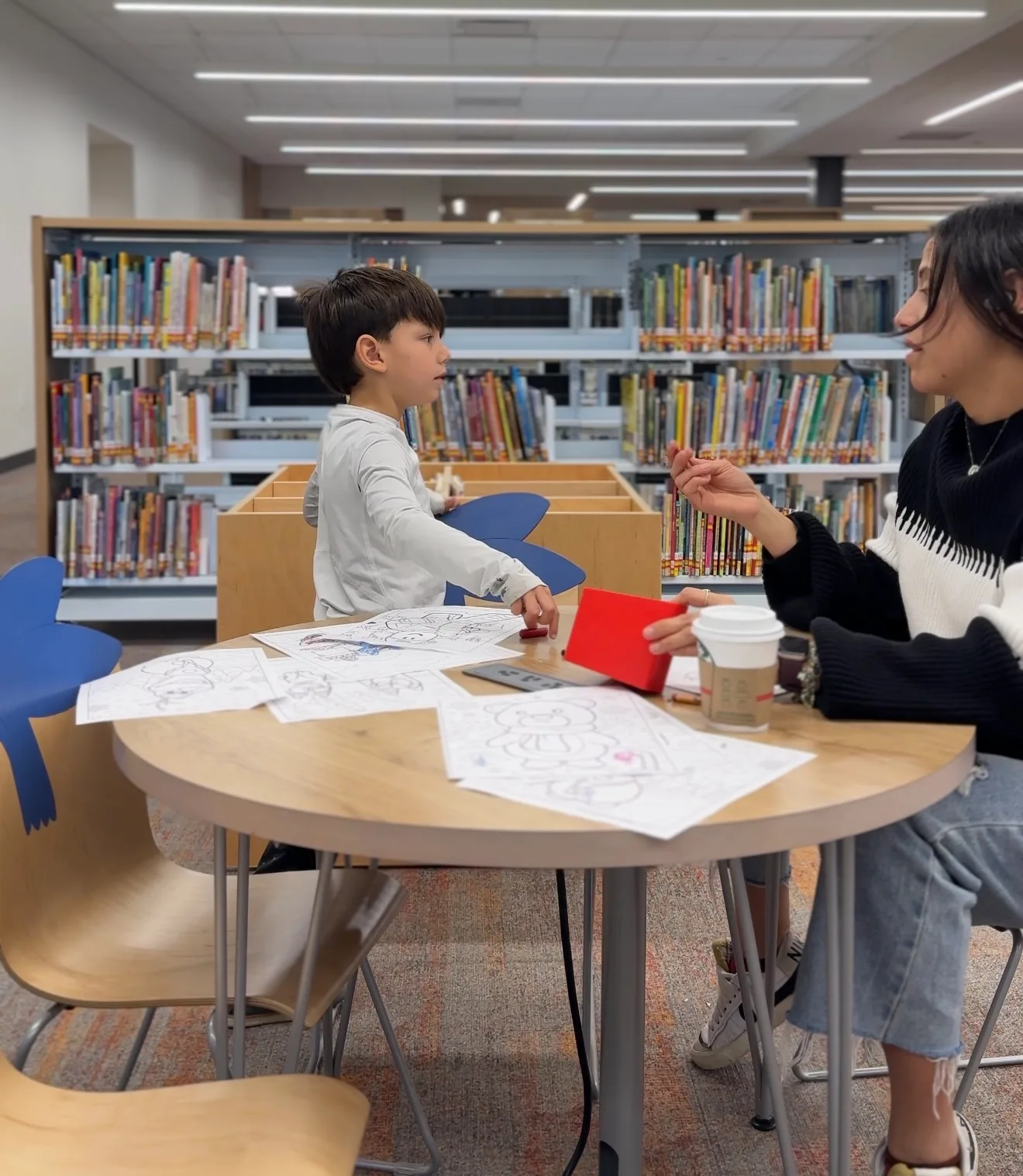
In our home, we keep structured academics simple.
Most days look like:
1 hour of reading/literacy
1 hour of math
That’s it.
Two focused hours.
And everything else flows around real life learning.
This isn’t about doing less—it’s about focusing on what actually matters most.
Reading and math are the foundation
As a former teacher (and former reading teacher), I always come back to this:
If a child becomes a strong reader, they can learn anything.
Reading unlocks:
history
science
independent learning
vocabulary growth
comprehension across all subjects
And math builds:
problem solving
logical thinking
confidence with numbers in real life
If those two foundations are strong, everything else becomes easier.
Learning doesn’t stop after “school time”
One of the biggest mindset shifts in homeschooling is realizing this:
Not all learning looks like schoolwork.
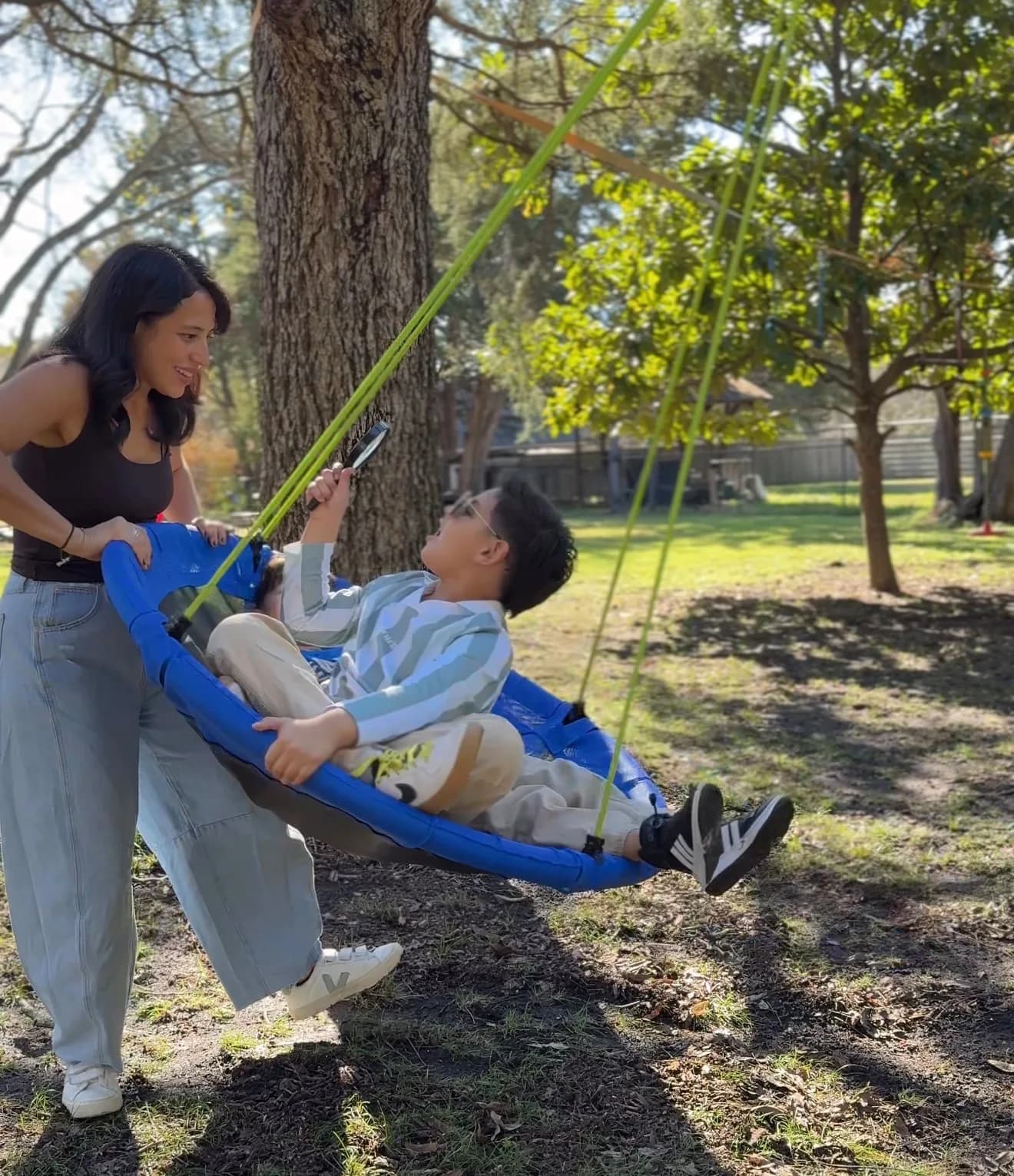
Outside of structured academics, children are constantly learning through life:
reading aloud together
conversations and curiosity
cooking and measuring (real math)
outdoor exploration
time with family and community
play, creativity, and social interaction
This is where a lot of deep learning actually happens—without worksheets attached to it.
Why shorter homeschool days work better for us
When we stopped trying to recreate a full school day, everything changed.
Our days became:
calmer
more flexible
more connected
less stressful
And my kids actually retained more because they weren’t overwhelmed or mentally exhausted.
Short, focused learning blocks create:
better attention
less resistance
more consistency
more time for real-life learning
A former teacher’s perspective
Something I had to unlearn is the idea that “more time” equals “better education.”
It doesn’t.
Quality matters more than quantity.
A child who is engaged for 2 focused hours will often learn more deeply than a child who is mentally checked out for 6–7 hours.
That was a hard shift for me—but a freeing one.
Final thoughts
I don’t believe homeschooling needs to be an all-day academic schedule.
For us, it’s about balance:
a couple hours of focused reading and math
and the rest of the day living, exploring, and growing together
Because at the end of the day, my goal isn’t to recreate school at home.
It’s to raise a child who loves learning, thinks for themselves, and knows how to navigate real life with confidence.
And that doesn’t take 8 hours a day.
It takes intention, consistency, and connection.