How I Use Positive Reinforcement to Teach Behavior at Home (Without Yelling or Paying My Kids)

When people think about homeschooling—or even just parenting in general—one of the biggest fears is behavior.
“They’re too loud.”
“They don’t listen.”
“They’re messy.”
And honestly… I get it.
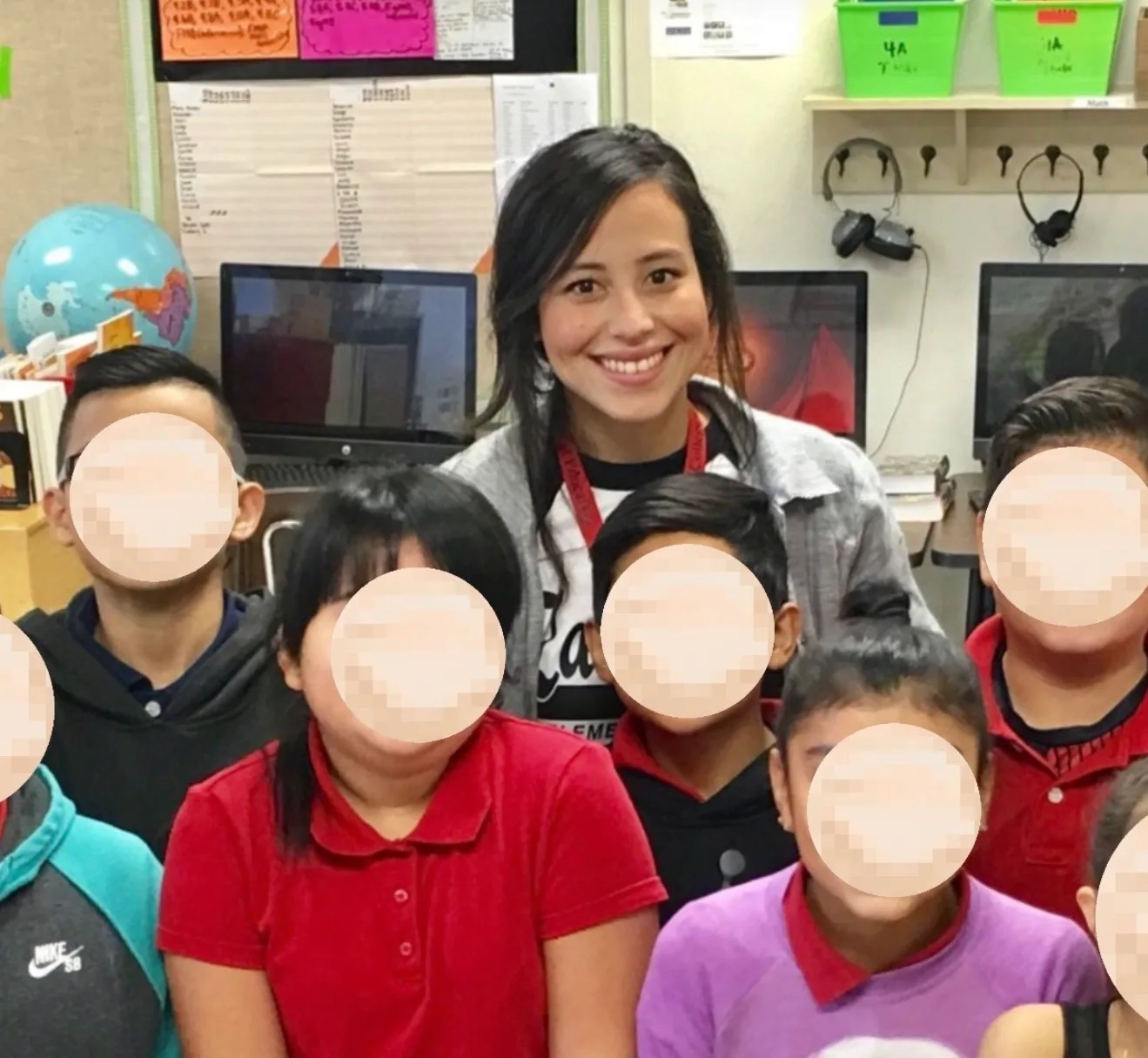
When I was a kindergarten teacher, the first six months of school weren’t spent on academics—they were spent on routines and behavior.
We taught:
How to walk in line
How to sit
How to listen
How to transition
We used systems like:
Clip charts (green → yellow → red)
Rewards
Consequences
And here’s the truth:
Kids respond to structure and reinforcement.
What I Took From the Classroom Into My Home
Even though I didn’t love the shame-based parts (like moving clips to red), I did see something that worked:
👉 Kids were motivated by positive reinforcement.
So when I started homeschooling, I asked myself:
“How do I teach behavior the same way I would in a classroom… but better?”
The System I Created at Home
Instead of clips or money, we use gemstones (little crystals).
They earn them for:
Being kind
Doing chores
Completing homeschool work
Trying hard (effort matters more than perfection)
Helping each other
Showing responsibility
This isn’t about perfection—it’s about reinforcing what I want to see more of.
Our Reward System (Simple + Flexible)
10 gems → Ice cream
20 gems → Stay up 30 minutes late
30 gems → Bookstore + coffee shop date
50–Amazon gift $30
60 gems → Eat out
70 gems → Date with mom or dad + Amazon gift $30 budget
100gems → Bigger Amazon prize takes about 5 months to get there ($50 max budget )
You can adjust this to your family—that’s the beauty of it.
Why I Don’t Use Money for This
I don’t pay my kids for:
Making their bed
Being kind
Cleaning up
Because those are life skills and expectations, not jobs.
Now—if they provide a service (like ironing shirts we’d normally pay someone for)?
That’s different.
That’s when money makes sense.
The Most Important Shift I Made
Instead of focusing on bad behavior, I started catching the good.
So instead of:
“Stop fighting!”
I say:
“Wow… you guys are being so patient with each other. That’s amazing. Here’s a gem.”
And over time?
They started connecting the dots:
👉 This is what good behavior looks like.
👉 This is what’s expected of me.
What Happened Over Time
We’ve been doing this for almost two years, and here’s what changed:
Less yelling
More cooperation
More kindness between siblings
Kids who want to do well
Not because they’re forced to…
But because they’ve learned what “doing well” looks like.
If You Want to Start This in Your Home
Keep it simple:
Pick a “token” (gems, marbles, beads)
Decide what behaviors matter most to you
Create a reward chart
Be consistent (this is everything)
Focus on catching the good