Why I Chose to Homeschool: What I Saw Inside the Classroom
Why I Chose to Homeschool: What I Saw Inside the Classroom
I didn’t always plan to homeschool.
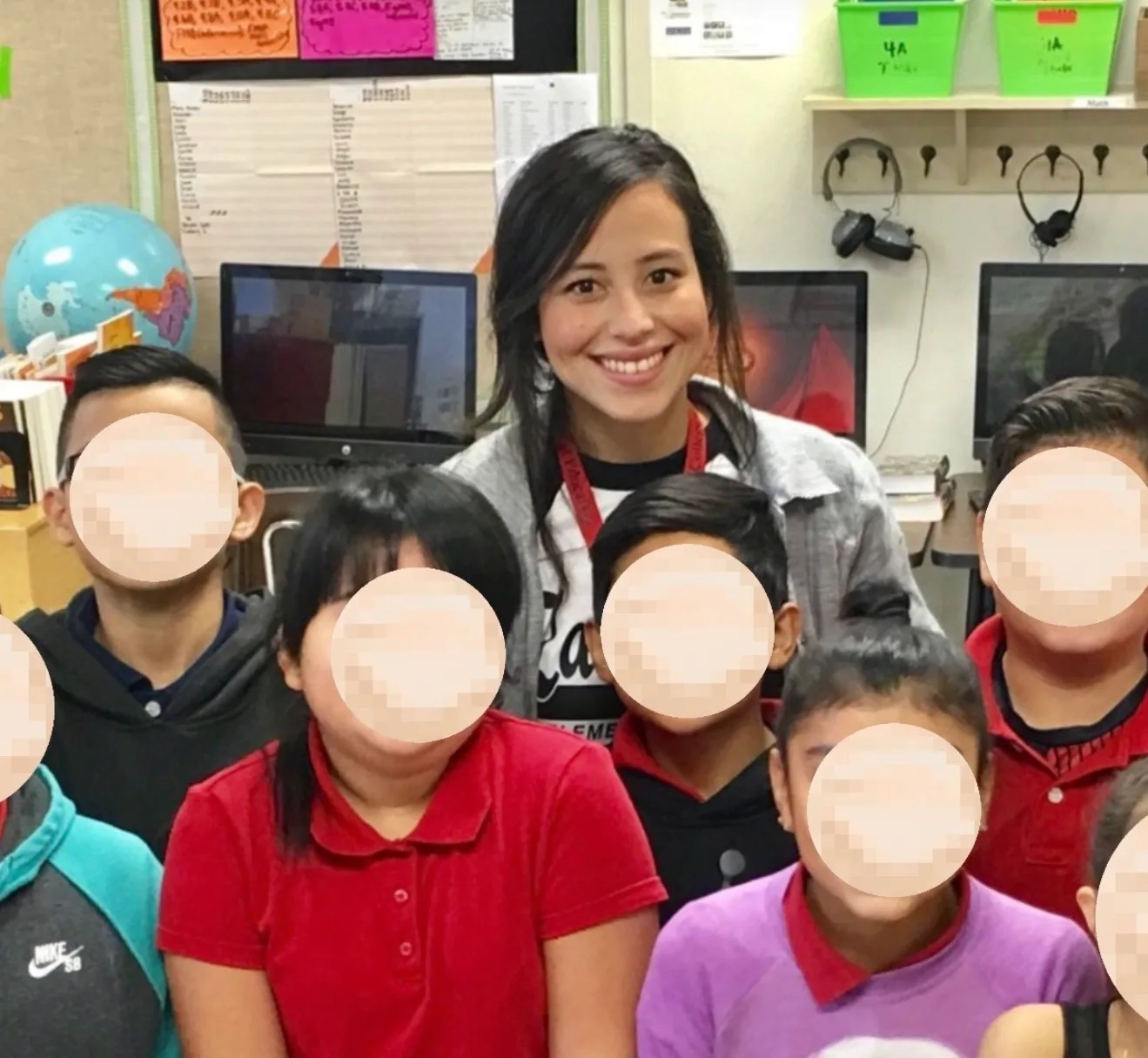
In fact, I stepped into education with passion. I loved children. I believed in learning. I believed school was a place where curiosity could grow and where kids could feel safe, seen, and inspired.
But what I experienced as a teacher slowly shifted everything I thought I knew.
This isn’t about blaming teachers—because I was one. This is about a system that often prioritizes performance over people.
The Reality of Classroom Management
One of the hardest things for me to reconcile was how classroom management was often handled.
It wasn’t rooted in connection—it was rooted in control.
I saw students being managed through intimidation and fear:
“If you don’t pass this test, there will be consequences.”
Losing recess.
Silent lunches.
Public pressure tied to performance.
Instead of helping children feel safe enough to learn, many were operating in a constant state of stress.
And we know this: a child who feels unsafe or anxious is not in a position to truly learn.
When Test Scores Became the Priority
Standardized testing drove everything.
I saw children being tested for learning disabilities—not always because it was deeply needed—but because they were behind and the pressure to bring scores up was intense.
The focus wasn’t always:
“Why is this child struggling?”
It became:
“How do we fix this score?”
That shift changes how children are seen.
They stop being individuals with unique learning paths—and start becoming numbers tied to performance metrics.
The Emotional Toll on Young Children
Working in Pre-K and Kindergarten was eye-opening in a completely different way.
I saw little ones cry—not just for a few days—but for weeks… sometimes months.
We had to physically pull children away from their parents.
And while some eventually adjusted, others carried that stress with them throughout the day.
At that age, children are still developing emotionally. They crave security, attachment, and gentle transitions.
But the system often requires them to adapt quickly—whether they’re ready or not.
Subjects That Were Quietly Pushed Aside
One of the most disheartening things I experienced was being told not to teach certain subjects.
History and social studies, in particular, were often minimized or skipped altogether.
Why?
To make more time for test preparation.
More time for reading drills.
More time for math practice.
More time for what would be measured.
But education is meant to be expansive.
Children deserve to learn about the world, their place in it, and the stories that shaped it—not just what will appear on a test.
The Overuse of Technology
Technology became a heavy presence in the classroom.
Apps, programs, and screen-based learning were pushed more and more—even in early grades.
While technology can be a helpful tool, it often replaced hands-on learning, creativity, and real-life interaction.
Children were spending more time on screens…
and less time exploring, creating, imagining, and connecting.
When Play Was Taken Away
Recess—one of the most important parts of a child’s day—was often taken away.
Especially during testing seasons.
Instead of giving children a break to reset their minds and bodies, that time was used for more preparation.
But play isn’t a luxury.
It’s essential.
It supports:
Social development
Emotional regulation
Creativity
Physical health
Taking it away to increase performance often does the opposite.
The Moment Everything Changed for Me
Over time, I couldn’t ignore what I was seeing.
I started asking myself:
Is this how I want my own children to learn?
Is this environment nurturing who they are?
Is this building a love for learning… or taking it away?
And deep down, I knew my answer.
Why I Chose Homeschooling
Homeschooling, for me, wasn’t about being “better” than the system.
It was about choosing something different.
Something slower.
Something more intentional.
Something that honors childhood.
At home:
Learning can happen without fear.
Mistakes are part of the process—not punishable moments.
Curiosity leads the way.
Subjects aren’t rushed or skipped—they’re explored.
Play, rest, and connection matter just as much as academics.
I’m grateful for my time in the classroom—because it opened my eyes.
It showed me what I wanted…
and what I didn’t.
Homeschooling isn’t perfect. It takes effort, patience, and flexibility.
But for our family, it allows learning to feel what it was always meant to be:
Natural. Meaningful. Connected.
And most importantly—joyful.